
The evolution of gambling through the ages a historical perspective
 adminxix
The evolution of gambling through the ages a historical perspective
Early Beginnings of Gambling
The origins of gambling can be traced back to ancient civilizations where rudimentary forms of betting were common. Archaeological evidence indicates that as far back as 3000 BC, people in China were playing games with tiles that resembled modern-day lotteries. Similarly, ancient Egyptians played dice games, demonstrating that the allure of chance has captivated human interest for millennia. These early activities laid the groundwork for more organized forms of gambling that would evolve over time. If you’re interested in enhancing your experience, the Hellspin Casino Application in Australia is a great option to consider.
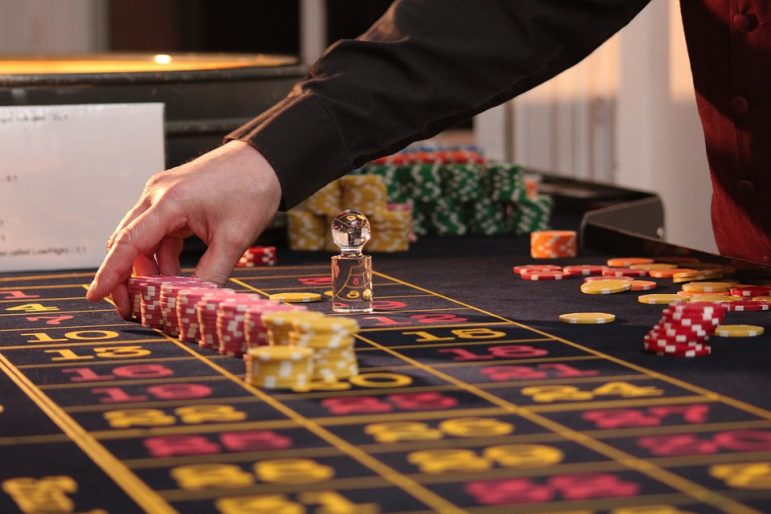
In ancient Rome, gambling took on a different dimension with the introduction of more structured betting games. The Romans utilized dice and created various betting systems that captivated the masses. Gladiatorial games often included bets placed on outcomes, allowing spectators to engage in the thrill of wagering. This integration of gambling into public entertainment further solidified its role in society and illustrated how closely intertwined betting and social activities were during that era.
As civilizations expanded and trade networks grew, gambling spread across regions, each culture infusing its unique twist on the practice. The development of cards in the 14th century, originating from China and later spreading to Europe, marked a significant milestone. By this time, gambling had not only become a pastime but also a means of social interaction, demonstrating that the act of betting was as much about community as it was about financial gain.
The Middle Ages and the Rise of Formal Gambling
During the Middle Ages, gambling began to take on a more formalized structure, leading to the establishment of specific laws and regulations surrounding the practice. Gambling houses started to emerge, particularly in Europe, where patrons could safely place bets in designated areas. This formalization was essential as it provided a level of oversight that sought to protect gamblers from fraud and other illicit activities. In England, the introduction of the first betting houses in the 16th century was particularly noteworthy.
Moreover, the popularity of card games surged during this time, leading to the creation of new games that are still played today. The introduction of poker in the 17th century, for instance, marked a turning point as it combined elements of skill, strategy, and chance, attracting players from all social classes. This evolution not only broadened the appeal of gambling but also introduced the notion of gambling strategies, where players could leverage their skills to influence outcomes.
The Renaissance period further fueled the gambling craze, particularly with the emergence of lotteries as a means of raising funds for public works and charitable causes. The societal acceptance of gambling as a legitimate activity during this time indicated its deep-rooted integration into everyday life. With the rise of printed materials, information about games, strategies, and even betting odds became widely disseminated, shaping how people approached gambling in subsequent centuries.
The Industrial Revolution and Modern Gambling
The Industrial Revolution brought significant changes to society, including the gambling landscape. Urbanization led to the establishment of casinos as entertainment hubs, where individuals could indulge in various games of chance. The first official casino, the Casino di Venezia, was opened in Italy in 1638, setting a precedent for luxurious gambling establishments worldwide. This period marked the transition from informal betting to organized gambling experiences that combined luxury with chance.
As technology advanced, so did gambling. The introduction of mechanical slot machines in the late 19th century revolutionized the industry. These machines offered players an accessible and exciting way to gamble, paving the way for mass popularity. The allure of the slot machine, with its flashing lights and the chance for instant gratification, attracted a diverse range of players, further embedding gambling into the fabric of modern life.
The 20th century saw the emergence of online gambling, a game-changer for the industry. With the advent of the internet, players could access casinos and betting sites from the comfort of their homes. This shift not only increased accessibility but also expanded the audience, reaching individuals who may have never set foot in a physical casino. The introduction of online poker rooms and virtual betting platforms marked a new era, combining technology with the age-old practice of gambling.
The Digital Age and Changing Trends in Gambling
In the 21st century, the evolution of gambling continues to adapt to changing societal norms and technological advancements. Mobile gambling has gained immense traction, allowing users to place bets and play games anytime, anywhere. The convenience of smartphones and tablets has made gambling more accessible than ever, attracting a younger demographic that seeks instant entertainment and engagement. This shift has led to the development of mobile apps specifically designed for gaming, making it easier for users to connect with their favorite games.
Social media platforms have also played a pivotal role in reshaping gambling behaviors. Gamification elements and social sharing have transformed the way people engage with games, with many platforms incorporating features that allow players to showcase achievements and invite friends to join. This integration of social interaction has reinvigorated interest in traditional games, adding a layer of community to the gambling experience that wasn’t as prevalent in past centuries.
Moreover, the rise of cryptocurrencies has begun to influence the gambling industry, offering players new ways to wager and withdraw winnings. Blockchain technology ensures transparency and security, appealing to tech-savvy users who value privacy and efficiency. As online casinos begin to accept cryptocurrencies, the landscape of gambling continues to evolve, creating new opportunities for players and operators alike.

Exploring Gaming at Hellspin Casino
As the evolution of gambling continues, online platforms like Hellspin Casino exemplify the modern gaming experience. With an extensive selection of thrilling games, Hellspin offers both new and seasoned players an exciting journey through the world of online betting. The user-friendly interface ensures that players can easily navigate through various game options, enhancing the overall gaming experience.
At Hellspin Casino, generous welcome bonuses, including free spins and match bonuses, provide an enticing incentive for players to explore the diverse range of gaming options available. Whether players prefer classic table games or the latest video slots, Hellspin’s commitment to quality and variety keeps the excitement alive. Additionally, top-notch customer support ensures that assistance is readily available, allowing players to focus on what truly matters: enjoying their gaming journey.
In this continually evolving landscape, Hellspin Casino stands as a testament to the integration of tradition and innovation in gambling. The platform not only embodies the rich history of betting but also embraces modern technologies to enhance user engagement. As players embark on their gaming adventures, they can do so knowing they are part of a dynamic evolution that has captivated humanity for centuries.